



Introduction
A memorable trip doesn’t have to come with an overwhelming price tag. With a realistic travel budget and a little preparation, you can enjoy the experiences that matter most while keeping your spending under control.
Travel budgeting is more than estimating the cost of flights and hotels. Transportation, meals, attractions, insurance, mobile data, local fees, and unexpected expenses can quickly change the true cost of a trip.
The key is to understand where your money is likely to go before you leave — and then track your spending while you travel.
Whether you’re planning a family vacation, a weekend getaway, or an international adventure, this guide will show you practical ways to create a travel budget, uncover hidden costs, track expenses, and make smarter spending decisions without taking the fun out of your journey.
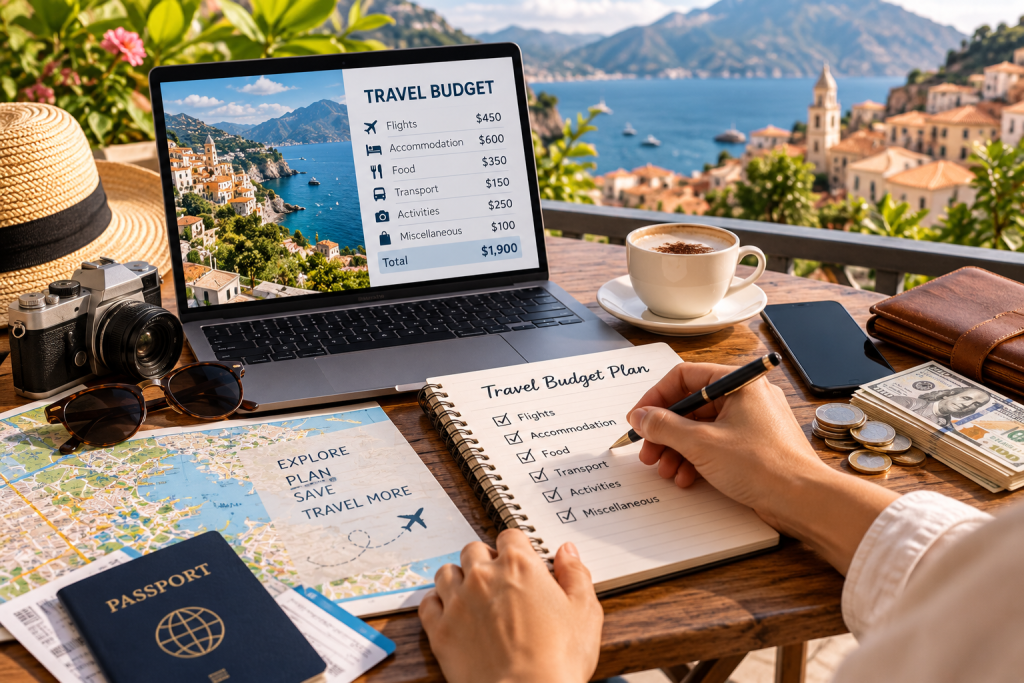
1. Start With a Realistic Travel Budget
Before booking flights or accommodation, decide how much you can realistically afford to spend on the entire trip.
A simple approach is to create two numbers:
- Maximum budget: The absolute maximum you can spend without affecting your essential expenses or financial commitments.
- Target budget: The amount you would ideally like to spend. This should be lower than your maximum and leave some room for unexpected costs.
Next, divide your target budget into the main travel categories:
- Transportation
- Accommodation
- Food and drinks
- Activities and attractions
- Local transportation
- Shopping and souvenirs
- Travel insurance and other fees
- Emergency or unexpected expenses
For example, if your total travel budget is $2,000, avoid treating it as one large pool of money. Decide approximately how much you can spend in each category before the trip begins.
This makes it easier to spot areas where you may be overspending and gives you the flexibility to move money between categories when your priorities change.
A realistic budget should guide your decisions — not prevent you from enjoying your trip.
2. Don’t Forget the Hidden Costs of Travel
Flights and accommodation are usually the biggest expenses, but they rarely represent the full cost of a trip. Smaller expenses can quietly add up and push your budget beyond what you originally planned.
Common costs travelers sometimes overlook include:
- Travel insurance
- Visa or entry fees
- Airport transfers
- Baggage fees
- Public transportation, taxis, or ride-sharing
- ATM and foreign transaction fees
- Mobile data, eSIMs, or roaming charges
- Tips and service charges
- Resort or local tourism taxes
- Snacks, drinks, and small daily purchases
You should also keep a small emergency fund separate from your normal daily spending. This can help cover unexpected transportation changes, medical needs, replacement items, or other unplanned expenses.
A useful starting point is to estimate the obvious costs first, then review your destination and trip style for expenses that may not be included in your bookings.
The more accurately you understand the true cost of your trip before departure, the easier it becomes to enjoy your travel budget without unpleasant financial surprises.
3. Track Your Travel Expenses as You Go
Creating a travel budget before your trip is only the first step. To stay within that budget, you also need to know how much you’re actually spending.
Instead of waiting until you return home to review your bank statement, take a few minutes at the end of each day to record your expenses.
You can organize your spending into simple categories such as:
- Food and drinks
- Transportation
- Activities and attractions
- Shopping
- Accommodation
- Miscellaneous expenses
Compare your actual spending with the amount you planned for each category.
For example, if you spend more than expected on a special dinner one evening, you may decide to choose a less expensive meal or free activity the following day. Small adjustments like these can prevent minor overspending from becoming a much larger problem by the end of the trip.
You don’t need a complicated system. A spreadsheet, budgeting app, digital travel planner, or simple note on your phone can work — the important thing is to record expenses consistently.
Tracking your spending gives you the information you need to make better decisions while there is still time to adjust your budget.
4. Understand Currency Exchange Before You Travel
When traveling internationally, unfamiliar currencies can make it surprisingly easy to overspend.
Before your trip, learn the approximate exchange rate between your home currency and the currency used at your destination. You don’t need to calculate every purchase perfectly, but you should have a quick way to understand what prices actually mean to your budget.
A few simple habits can help:
- Check the current exchange rate before departure.
- Use a reliable currency converter when you’re unsure about a price.
- Pay attention to ATM and foreign transaction fees.
- Avoid assuming that a large number in a foreign currency automatically means something is expensive.
- Record expenses in one consistent currency when tracking your overall travel budget.
Exchange rates can change, so treat any rate you save before your trip as an estimate rather than a fixed value.
Understanding the local currency makes everyday spending decisions easier and helps prevent small conversion mistakes from gradually pushing you over budget.
5. Save for Your Trip With a Travel Fund
If your trip is several months away, you don’t need to save the entire amount at once. Breaking your travel budget into smaller monthly or weekly savings goals can make the cost feel much more manageable.
Start with your estimated total trip cost, subtract any money you have already saved, and divide the remaining amount by the number of months before departure.
For example, if your trip is expected to cost $2,400 and you have six months to prepare, your target would be approximately $400 per month.
You can also divide your savings into separate categories, such as:
- Flights and transportation
- Accommodation
- Food
- Activities and tours
- Shopping and souvenirs
- Emergency expenses
Keeping travel savings separate from your everyday spending can make it easier to see your progress and avoid accidentally using the money for unrelated purchases.
Review your goal regularly as prices and travel plans change. If accommodation becomes more expensive than expected, for example, you may need to adjust another category or increase your savings target.
The earlier you start, the more flexibility you’ll have when it’s time to book.
6. Decide What to Pay Before Your Trip
Paying for some major travel expenses before departure can make your budget easier to manage once your trip begins.
Depending on your plans, you may be able to pay in advance for:
- Flights or train tickets
- Accommodation
- Major tours and attractions
- Airport transfers
- Travel insurance
- Event tickets
Once these larger expenses are covered, you’ll have a clearer idea of how much money remains for daily costs such as food, local transportation, shopping, and spontaneous activities.
However, paying in advance isn’t always the cheapest or safest choice. Before making a non-refundable payment, check the cancellation and refund policy carefully. Travel plans can change, and a slightly higher flexible rate may sometimes be worth the extra cost.
It’s also helpful to keep part of your budget available rather than prepaying everything. This gives you flexibility for unexpected opportunities, schedule changes, or emergencies during your trip.
The goal is to find a balance: cover predictable major expenses when it makes sense, while keeping enough money available for the journey itself.
7. Create a Simple Daily Travel Budget
Once your major expenses are estimated, calculate how much you can comfortably spend each day.
Start by subtracting your fixed costs — such as flights, accommodation, insurance, and prepaid activities — from your total travel budget. Then set aside money for emergencies and divide the remaining amount by the number of days in your trip.
For example, imagine you have $900 remaining for a six-day trip after paying your major expenses. Instead of simply spending up to $150 every day, divide that amount into categories based on your priorities.
Your daily budget might include:
- Meals and drinks
- Local transportation
- Attractions and activities
- Shopping or souvenirs
- A small amount for unexpected expenses
You don’t have to spend exactly the same amount every day. One day may include an expensive attraction, while another may involve free sightseeing or relaxing at the beach.
Think of your daily budget as a flexible guide rather than a strict limit. What matters is keeping track of your overall spending so that an expensive first few days don’t leave you short of money near the end of your trip.
Conclusion: Spend Smarter and Enjoy the Journey
A good travel budget isn’t about choosing the cheapest option every time. It’s about understanding your priorities and deciding where your money will create the most value.
Start with a realistic total budget, account for hidden expenses, track what you spend, understand currency conversions, and keep some money available for unexpected situations.
Most importantly, leave room in your budget for the experiences that made you want to travel in the first place.
A clear plan can help you worry less about money and spend more time enjoying your destination.
If you prefer keeping your itinerary, budget, packing lists, and other travel details organized in one place, a digital travel planner can also make the planning process easier. The important thing is to choose a system you’ll actually use throughout your journey.
Plan realistically, spend intentionally, and enjoy the adventure.